
BOG Terms by Bookmaker: Comparing Best Odds Guaranteed Offers
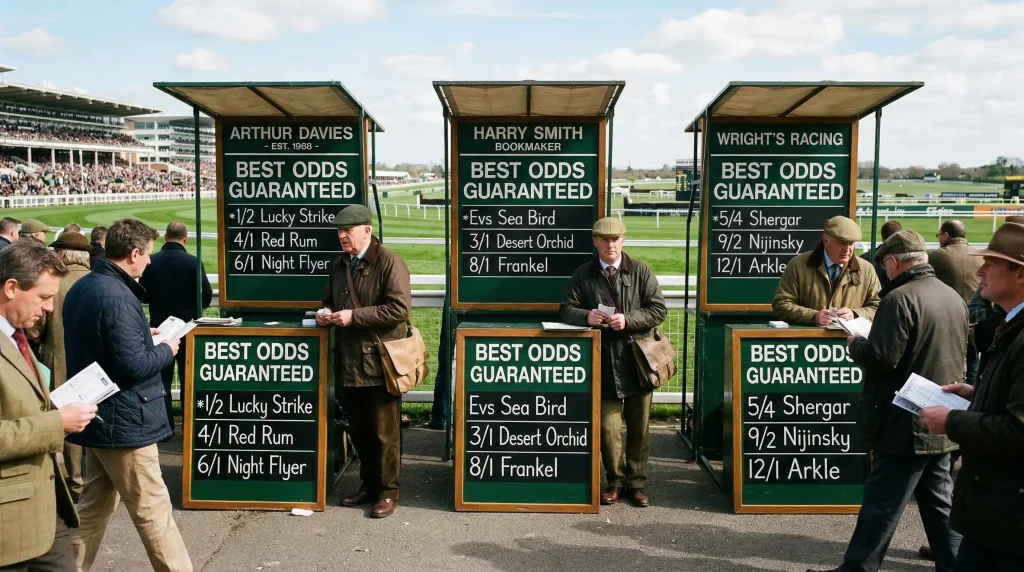
Best Odds Guaranteed sounds simple—take an early price, receive the Starting Price if it’s better—but the details vary significantly between bookmakers. Start times differ, market coverage differs, accumulator policies differ, and maximum payout limits differ. Knowing these variations means capturing BOG value that casual bettors miss through assumption.
The promotional landscape shifts constantly. Bookmakers adjust terms in response to competitive pressure, regulatory changes, and their own liability management. What applied last season may not apply now. Checking current terms before betting protects your expected returns from eroding through outdated assumptions.
This guide compares BOG implementations across major UK bookmakers, focusing on the practical differences that affect your betting decisions. The headline offer might be identical—Best Odds Guaranteed—but the fine print determines whether you actually benefit.
Understanding BOG variations becomes increasingly important as bookmakers compete for a shrinking market. Some operators use generous BOG terms as a competitive differentiator; others have quietly tightened conditions while maintaining the promotional headline. The informed bettor exploits these differences rather than ignoring them.
BOG Start Time Comparison
BOG activation times determine when your early price becomes protected. Bet before BOG begins and you receive only the price you took, regardless of SP movement. The difference between 8am and 10am BOG start times can mean missing two hours of early market value—or capturing drift protection that later bettors receive automatically.
The earliest BOG windows typically begin at 8am, offered by bookmakers seeking competitive advantage with serious morning bettors. These early starts reward punters who complete their form analysis overnight and execute at first opportunity. If your selection steams between 8am and 10am, you’ve locked in value that later BOG windows wouldn’t protect.
Most major operators activate BOG between 9am and 10am. This timing balances promotional generosity against liability exposure—the later the start, the less market movement the bookmaker must honour. Understanding where your preferred bookmaker falls in this range helps you plan betting timing accordingly.
Average turnover per race continues declining—down approximately 8% year-on-year according to HBLB data—which affects how bookmakers structure these promotions. With less money flowing through markets, some operators have tightened BOG terms while others use generous BOG as a customer acquisition tool. The competitive dynamics keep shifting.
For overnight prices, BOG rarely applies. Bookmakers offering prices the evening before a race typically exclude these from guarantee protection. If you want BOG coverage, wait for the specified morning start time before placing your bet—even if overnight prices look attractive.
Market Coverage Variations
UK racing receives universal BOG coverage from operators offering the promotion. Every domestic meeting, from Ascot to Wolverhampton, qualifies under standard terms. This consistency makes UK racing straightforward—if BOG is advertised, UK races are included.
Irish racing usually qualifies, though some bookmakers exclude smaller meetings or restrict coverage to specific tracks. Major fixtures—Leopardstown, Fairyhouse, Punchestown—almost always receive BOG treatment, but midweek cards at provincial tracks might not. Check before betting if you’re targeting Irish racing specifically.
International coverage varies dramatically. French racing sometimes qualifies during major festivals; American racing rarely does. Australian and Hong Kong racing—popular with UK bettors during their respective seasons—typically falls outside BOG scope entirely. The further from UK and Ireland, the less likely BOG applies.
Some bookmakers exclude specific meetings even within UK racing. Enhanced prize money events, promotional racedays, or fixtures with unusual market conditions might carry BOG restrictions. These exclusions are usually temporary and clearly communicated, but they can catch unaware bettors who assume universal coverage.
Reading terms and conditions before placing each bet ensures you’re not assuming coverage that doesn’t exist. The few seconds invested prevent disappointment when a drifting selection would have improved your return—if only BOG had applied.
Accumulator BOG Policies
Accumulator treatment represents the most significant BOG variation between bookmakers. Some apply BOG to each individual leg, recalculating the accumulator with any improved prices. Others exclude accumulators entirely from BOG protection. The difference affects your returns substantially on successful multiples.
Per-leg BOG means each selection in your accumulator receives individual protection. If three of four legs drift to better SP prices, all three improvements compound through your accumulator calculation. This approach maximises punter value but increases bookmaker liability—hence why not all operators offer it.
The market context matters here. Total betting turnover on British racing fell 6.8% in 2026 compared with the previous year, continuing a multi-year decline. Some bookmakers have responded by restricting promotional terms, including accumulator BOG, while others maintain generous terms to attract volume in a shrinking market.
Maximum selection limits often apply to accumulator BOG. A bookmaker might apply the guarantee to four-folds and below but exclude larger accumulators. Others might apply BOG universally regardless of accumulator size. Knowing your bookmaker’s specific policy prevents surprise when settling larger multiples.
Enhanced odds promotions—boosted accas, enhanced multiples—frequently exclude BOG protection. The enhanced price is offered as a specific promotion; adding BOG would stack promotions in ways bookmakers avoid. If you’re using a boosted odds offer, assume BOG doesn’t apply unless explicitly stated otherwise.
Maximum Payout Limits
BOG maximum payouts cap how much additional return you can receive from SP improvement. If your horse drifts from 4/1 to 10/1, the extra 6 points of profit might be capped at a specific amount—say, £500 or £1000 additional winnings. Any excess beyond the cap settles at your original price.
These limits primarily affect larger stakes. A £10 bet on a horse drifting from 4/1 to 10/1 generates £60 additional profit—well within any normal cap. A £500 bet on the same movement generates £3000 additional profit, which might exceed some operators’ BOG limits. High-stakes bettors must understand these ceilings.
The caps vary significantly between operators. Some advertise “no maximum” BOG, accepting whatever SP improvement occurs. Others impose explicit limits that affect bets above certain stake sizes. A few apply percentage-based calculations that are harder to evaluate without doing the maths.
For recreational bettors with typical stake sizes, BOG limits rarely matter. The protection functions as advertised on bets under £50 or so. For serious punters staking larger amounts, comparing BOG limits across bookmakers becomes part of account selection and bet placement strategy.
Some operators apply different BOG limits to different race types. Feature races at major meetings might receive enhanced or unlimited BOG coverage, while everyday racing carries standard caps. Promotional periods around Cheltenham, Royal Ascot, and the Grand National often see temporary BOG limit increases—another reason to track the promotional calendar.
The interaction between BOG limits and each-way betting adds complexity. Some bookmakers apply the cap to total additional winnings across both portions; others cap win and place components separately. Understanding your operator’s specific approach prevents confusion at settlement time.
BOG terms require active comparison rather than passive assumption. Start times, market coverage, accumulator policies, and payout limits all vary between bookmakers—and all affect whether you capture the value BOG promises. A few minutes reviewing current terms protects returns that casual betting would sacrifice.
Build BOG comparison into your bookmaker selection process. The best BOG terms for your betting style might come from a different operator than you currently use. Flexibility—maintaining accounts with multiple bookmakers and using whichever offers optimal terms for each specific bet—maximises the protection BOG provides.
Track how often BOG actually improves your returns. Over time, data reveals which races and bet types generate the most BOG value, and which bookmakers deliver that value most consistently. This evidence-based approach beats assumptions about which operator offers the best deal.