
UK Horse Racing Fixtures: Premier Events and Core Meetings
 Available in US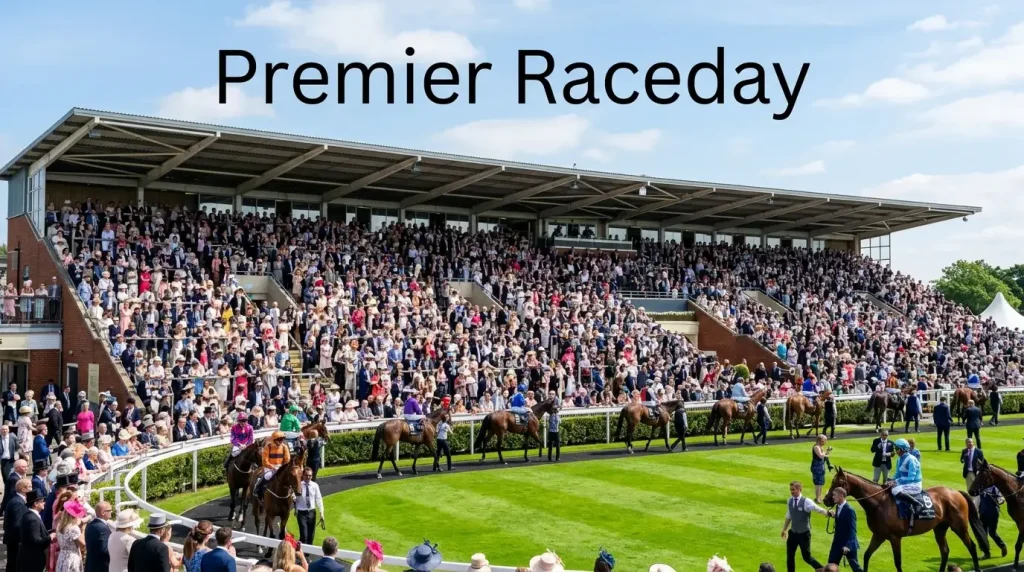
This guide explains the Premier and Core distinction, outlines the seasonal calendar, and suggests how betting strategy might vary between fixture types. The tier system isn’t just administrative—it shapes betting markets in ways that attentive punters can exploit.
Premier Racing Fixtures: UK Betting Liquidity and Prize Money
Premier fixtures represent British racing’s showcase events. These meetings attract the best horses, largest crowds, and most intense betting activity. Royal Ascot, Cheltenham Festival, the Epsom Derby, Glorious Goodwood, and York’s Ebor meeting exemplify the Premier tier.
Liquidity on Premier races supports better odds, tighter spreads, and more reliable market formation. Exchange markets are deepest on these races; bookmaker prices most competitive. For bettors seeking the fairest possible prices and most efficient markets, Premier fixtures deliver.
Promotional activity peaks at Premier meetings. BOG coverage is universal, extra places abundant, and bookmaker bonuses common. The commercial importance of these fixtures drives generous terms that reward attentive bettors who capture promotional value.
International interest concentrates at Premier fixtures. World Pool commingling, overseas broadcaster coverage, and global betting attention focus on these events. The international dimension adds liquidity and competitive pressure that benefits UK punters seeking the best available terms.
Core Fixtures Explained
Core fixtures comprise everyday British racing—meetings at Wolverhampton on a Monday, Sedgefield on a Wednesday, Lingfield on a Friday. These fixtures provide the bulk of racing content but attract less attention, smaller crowds, and reduced betting activity compared to Premier events.
Quality varies significantly within Core racing. A decent handicap at Newbury on a Saturday carries more class than a low-grade claimer at Southwell on a Tuesday afternoon. The Core designation encompasses this range, making generalisation difficult. Each Core fixture requires individual assessment.
Field sizes at Core meetings often fall below Premier averages. Fewer horses mean smaller each-way opportunities, reduced market depth, and less competitive pricing. The structural challenges compound: lower quality attracts less money, which attracts fewer runners, which reduces quality further.
For bettors, Core racing presents a mixed picture. Less efficient markets might offer overlooked value; alternatively, thin liquidity might produce unreliable pricing that makes value assessment harder. Approaching Core fixtures requires accepting greater uncertainty and potentially adjusting stake sizes accordingly.
All-weather Core fixtures run year-round, filling the calendar when turf racing is limited. These meetings attract regular betting activity despite lower quality levels, providing consistent opportunities for specialists who understand all-weather form dynamics.
Seasonal Calendar
The Flat season runs primarily from April through October, with turf racing concentrated in these warmer months. The calendar peaks at Royal Ascot in June, continues through July festivals at Newmarket and Goodwood, and concludes with autumn Group 1 action at Ascot, Newmarket, and York. Champions Day in October provides a turf finale.
Jump racing dominates winter months, peaking at the Cheltenham Festival in March and the Grand National meeting at Aintree in April. The King George at Kempton on Boxing Day provides a mid-season highlight. Core jump fixtures fill the winter calendar, building toward spring’s championship events.
All-weather racing runs year-round at Wolverhampton, Lingfield, Newcastle, Kempton, Southwell, Dundalk, and Chelmsford. These fixtures provide consistent betting opportunities regardless of season, though quality typically sits below equivalent turf racing. Winter months see increased all-weather importance as turf options diminish.
Key festivals structure betting calendars. Cheltenham in March, Aintree in April, Chester and York in May, Royal Ascot in June, Glorious Goodwood and York Ebor in late summer, Champions Day in October—these anchor points attract peak betting activity and promotional intensity. Planning around these events maximises exposure to favourable betting conditions.
The fixture list is published in advance, allowing bettors to identify Premier meeting dates and plan accordingly. Knowing when flagship events occur—and when promotional activity will peak—enables strategic preparation rather than reactive betting.
Betting Strategy by Fixture Type
Premier fixtures warrant full engagement. Deploy your best analysis, capture promotional value, and stake with confidence in market efficiency. The competitive betting environment means prices fairly reflect probability; your edge must come from superior selection rather than exploiting market inefficiency.
Core fixtures require a more cautious approach. Thinner markets and less media attention might create overlooked value—or might simply produce noisier pricing that’s harder to assess. Consider smaller stakes that acknowledge greater uncertainty, and be selective about which Core races warrant attention.
BOG and promotional availability vary by fixture type. Premier meetings receive universal BOG coverage and abundant extra places. Core meetings might have restricted BOG terms, fewer promotional offers, and less competitive base pricing. Factor these differences into bet selection and placement.
Pool betting liquidity concentrates at Premier fixtures, making World Pool and larger Tote pools more accessible. Core fixture pools can be thin, producing erratic dividends that make pool betting less attractive. Match your betting approach to available market depth.
Track your results by fixture type. If your Premier performance differs significantly from Core performance, that information guides resource allocation. Perhaps your analysis works better at major meetings; perhaps you’ve found value at lower-profile fixtures that others overlook. Data reveals where your edge lies.
Consider specialisation by fixture tier. Some bettors focus exclusively on Premier racing, accepting limited opportunities in exchange for optimal market conditions. Others specialise in Core racing, seeking overlooked value where less attention concentrates. Either approach can succeed; trying to master both without sufficient resources might dilute effectiveness.
Use the BHA calendar to plan your betting year. Identify key Premier dates, mark promotional periods, and structure your engagement around the natural rhythm of the racing calendar. Preparation for flagship meetings—doing analysis in advance, understanding field compositions, comparing bookmaker terms—maximises returns when the best opportunities arrive. The calendar is public; advantage comes from using that information systematically rather than reacting to each meeting as it appears.
